Hey Guys, this blog post is going to be an update on how my digital artefact is going so far!
Developing this project has really forced me to step out of my comfort zone as i’m not a very public person that posts content all the time.
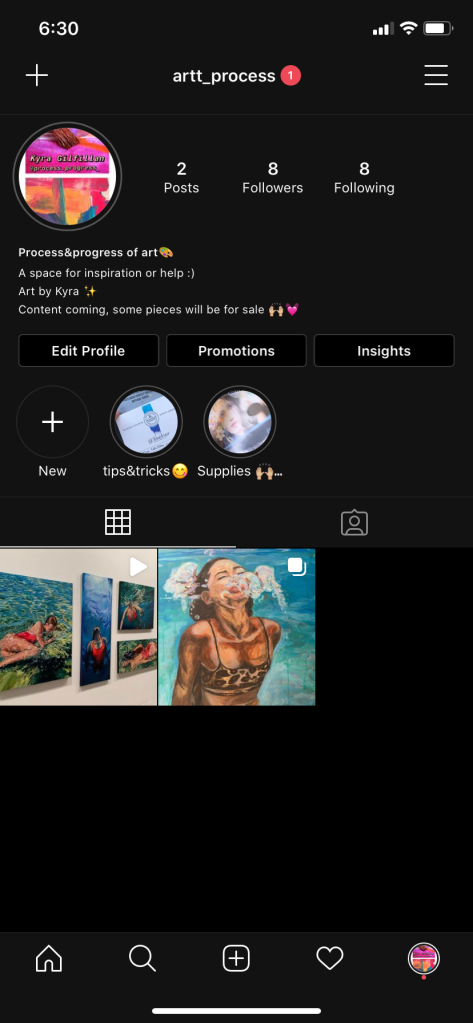
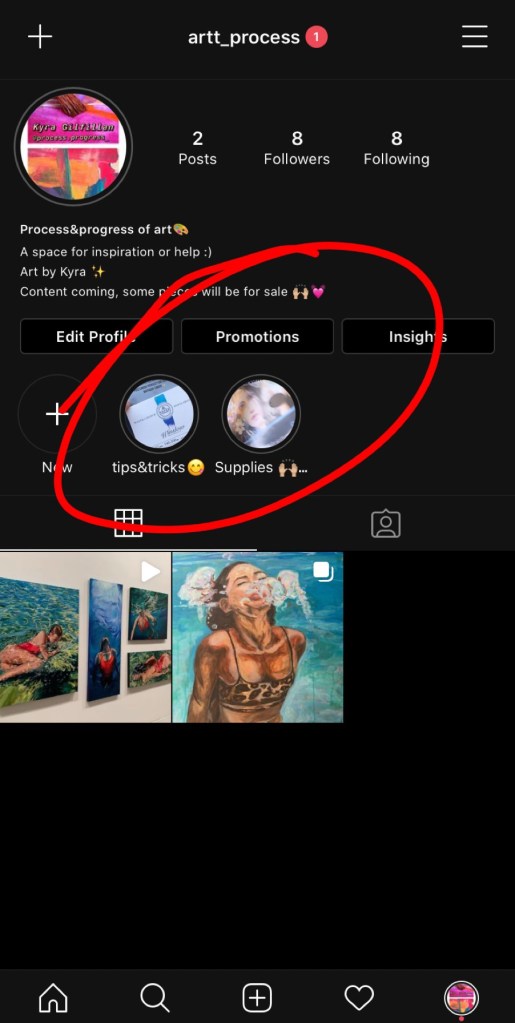
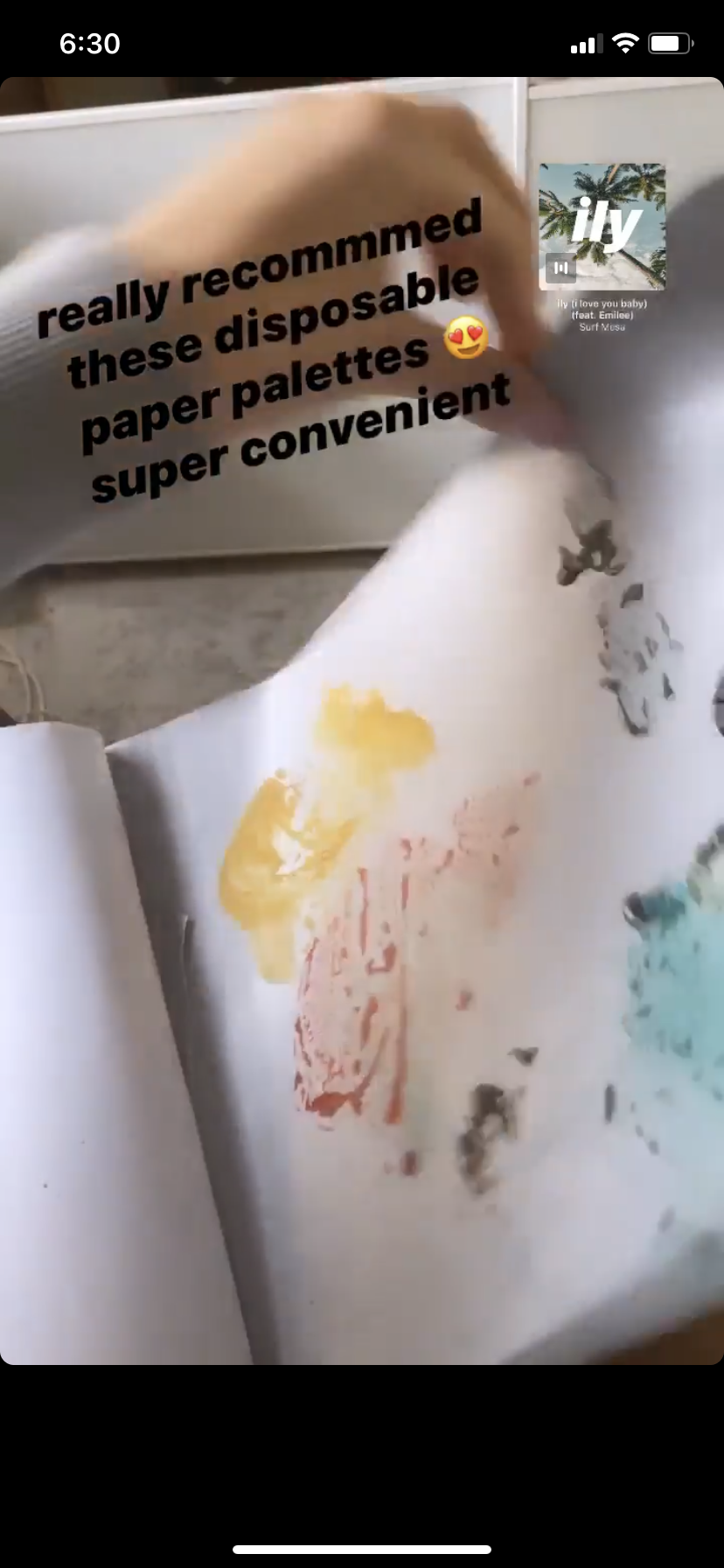
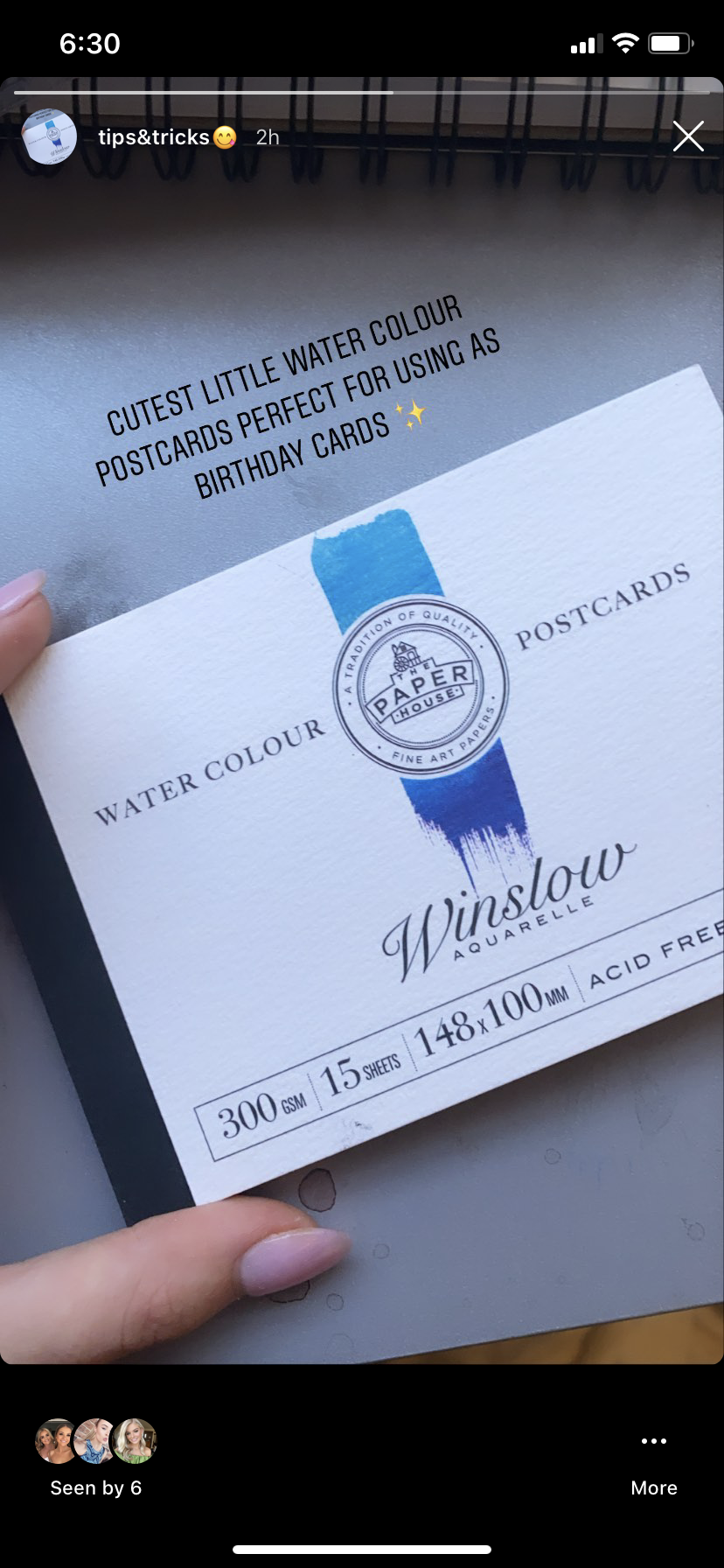
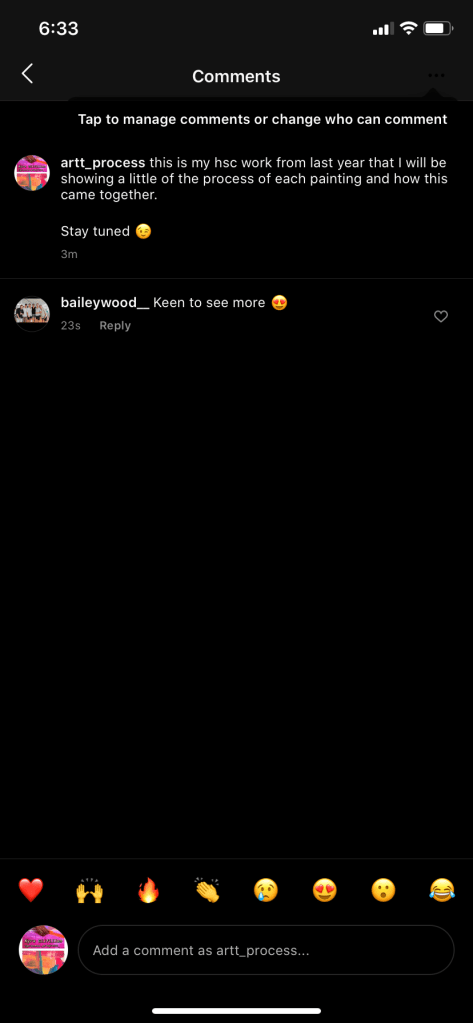
I have slowly started to develop my instagram page by starting with past artworks to create some context of why i’m doing a creative artefact. I have also started to use some of instagrams other tools such as saving stories that i have put up about any recommendations of supplies or tips and tricks to individual memories so that my audience can go back and find things they may want to see again.
BCM114 has a couple important rules, such as the guided methodology of #FIST depicted in lecture two. This highlighted how important it is to maintain and develop any project fast, inexpensively, simply and tiny. This is to ensure that our project could actually be manageable for a uni student. I feel as though my artefact definitely obliges with each of these aspects, however the art projects that I want to take on are often not tiny and take a long time to perfect and meet my standards. This will be a learning curve as I will have to adapt in order to quickly create enough engaging content for my audience.
I started my account from scratch so it has not gained a lot of followers yet or made a massive reach, however the minimal feedback I have received from friends, family and other classmates is that with trial and error as well as more content and a constant influx of engaging creative images (that i’m working on) will attract a lot more followers.
I have had a couple comments on some photos which has really made me excited for what’s to come for my future audience. As Ted discusses a lot, feedback is crucial for a successful outcome in making media. As well as by using the social utility of observation of my audience I will be able to recognise what is working and satisfying my audience.
The study materials and information in the weekly lecture have been so helpful to me to be able to critically reflect on each step that i’m taking on this project. So excited to make more art, inspire some people or just genuinely help anyone out on their own art making journey and engage with this niche audience! Whilst also keeping in mind #FIST, fail early, fail often as i continue to progress and learn about making media and my very own digital artefact. 🙂
Social media is a large part of individuals’ lives these days. Especially in my age group. Everyone creates a platform of themselves to display as their online face. Instagram a multi dimensional app for social networking and sharing. However it often does not include just any type of random content about ourselves and our daily lives , it is a curated feed of some of the best moments experienced and captured by photos or videos. It is a gallery of curated and selective images for self expression. Some are more authentic to oneself than others.
My instagram is somewhat of an accurate and authentic expression of myself. This is due to the external pressure and beauty standard represented on instagram’s explore page. However i try to always remember that that is their best angle, good lighting and a pose.
I like my feed to uphold a certain aesthetic. I have always been a creative person and love to make things pretty. I feel the aesthetic represented on my instagram is an accurate representation of myself. I try to use the same gradient, tone and brightness when editing my photos to make the images blend and please the eye when looking at my feed.
Instagram is very popular as it has many features and tools available compared to other apps. On your profile page you can create stories and save them into memories which are story folders, to look back on.
The intended audience of my instagram self is really only for friends, mutual friends and family. I keep my page private so that I can decide who is following me or not and monitor my followers better. I have lived in 3 different countries during the course of my life and all the friends i made along the way follow me and use instagram themselves therefore this identifies how internationally accessible it is to use instagram. As of June 2018 instagram recorded one billion active users. (Statista, 2018)
Citizen journalism is not a very well known term, something I had never heard of before this assignment. However I currently follow many ‘citizen journalist’ social media accounts that I thought were just spreading awareness about issues. However from my research I have done about this topic I realised that it is the public’s dissemination of public interest within their respective countries or international issues too. By use of social media to rapidly spread information and possibly become an effective agent of change” (Zeng, 2019)
I believe citizen journalism is highly important for every country as it shines light on issues, topics and events that the media doesn’t cover or inform correctly. The use of social media for citizen journalism can be good as it enables an up to date and publicly available platform for all people with access to the internet to find relevant information. As stated by Mieckle and Young, “the value of a communications network increases proportionately to the square of the number of people that are connected to it”. (Mieckle & Young) this relates to how citizen journalism can have an impact because of the amount of people that use social media in this day and age.
South Africa, the place that I grew up, has a highly corrupt government. The third world country with a vast amount of issues like soaring crime rates, xenophobia attacks , violence against women and past race segregation apartheid problems, has a strong online citizen journalism presence. Many of which aim to inform and spread awareness about the ongoing issues in South Africa. I do believe that citizen journalism can obscure the truth, when misinformation is spread, however this is inevitable even with the media. However I believe that it can more often than not shine light on the whole truth and unveil the hidden actions by the media. For example, i follow an instagram page dedicated to raising awareness and spreading information about the brutal violence, killings and rape agaisnt women in South Africa. They post information about the whereabouts of suspects for the crimes as well as making sure that the women do not become another number in statistics within this issue. This is a powerful and productive way to protest and try bring about change by ordinary citizens.
In summary citizen journalism can have highly effective aspects and beneficial in South Africa, trying to do good and bring forth social change, spread awareness and infor. But also always has the ability to create false information that cannot be verified by any authoritative level when publishing.
References
Meikle G, Young S , ‘Broadcast to Social Media’ , Media Convergence: Networked Digital Media in Everyday Life, Chpt. 3 , pp. 59-78
Zeng X , 2019, ‘New Perspectives on Citizen Journalism’ , Sage Journals
Pop culture has been a term used since the 1950s/60s and entails a set of things that are prevalent in our society that are transmitted to us via the mass media.
lakeridgenewsonline.com
Whilst reflecting on popular culture following the prompt, ‘What popular culture do you consume?’ I came to the realisation that almost all of the things ‘in trend’ and popular in society I consume on a daily basis. Such as pop music, fashion trends, the newest tv series and things like tik tok challenges or dances are all a part of the daily pop culture intake of my gen z life.
The pop culture that I consume the most is definitely television shows like netflix series, most of which are American made. I have noticed online that these shows are all just as popular in America of course, Australia and the UK. This popular culture is within our cultural proximity. Cultural proximity refers to media preferences across national boundaries. Whereby for content to best resonate with the cultural dispositions of viewers, the content and the viewer must exist in the same ‘cultural linguistic’ (Ksiazek & Webster, 2008) this refers to how people would prefer to watch a show made in their own language than one that has been dubbed or with subtitles. For example, Money Heist is a great tv series however I struggled to get into it because of the dubbed language compared to a English spoken series like Animal Kingdom.
The cultural proximity theory is directly related to pop culture especially television because of the way people will automatically gravitate towards media that they are culturally affiliated with.
References:
Thomas B. Ksiazek and James G. Webster, 2008, ‘Cultural Proximity and Audience Behaviour: The Role of Language in Patterns of Polarization and Multicultural Fluency’, Journal of Broadcasting and Electronic Media. Vol. 52:3, pp. 485-503.
I’m back and ready for a semester of creating a digital artefact that resonates with me and hopefully my future audience!
After some careful consideration about my hobbies and interests I have finally decided on a creative based platform named @process.progress_ on instagram. My intention for this digital artefact is to create a space of inspiration and learning and to document the creative process of making art. I plan to share my art journey whilst documenting each step along the way. I will also be using this page to sell my completed artworks.
I will be using Twitter as well as instagram to promote my page and share other like minded content. By doing so I hope to reach a wider audience to spread as much inspiration and hopefully help anyone develop their own creative abilities.
Just started but check out my page; @process.progress_
Marketing is a process used by companies nationwide formulated to encourage the consumption of a company’s products. Like everything else in the world marketing and advertising has its own rules and regulations. Especially surrounding children as they are seen as some of the most vulnerable in society therefore marketing to children has been a subject of debate on many occasions, particularly in the food and beverage industry. A number of companies come under substantial investigation for allegedly contributing to a ‘obesity pandemic’. This transforms further debate about how marketing influences children’s health and diet.
Australia has one of the highest rates of childhood obesity in the world according to the Australian Department of Health. “Approximately 1 in 4 Australian children aged 7-15 are to be considered overweight or obese.’ (Cowper, 2015) Therefore there is an even higher focus on making sure advertising does not breach any codes relating to children. Australia currently has a set of regulatory and self regulatory arrangements which governs the promotion of products to children, of which aims to ensure that marketers and advertisers accordingly develop and maintain a high sense of social responsibility in marketing and advertising food and beverages to children. According to AANA a child is defined as a person 14 years of age or younger. (Australian Association of National Advertisers, 2012)
The Legalities of Marketing and Advertising
The Australian Consumer Law (ACL) is a national law which protects consumers and ensures the continuation of fair trading in Australia. The ACL falls under the Competition and Consumer Act 2010 which applies generally to advertising in particular. Which include prohibitions on misleading and deceptive conduct and on making false representations.
For marketing, statutory regulations are based on a multitude of laws. These laws usually cover the media, marketing, advertising, broadcasting, communications, competition, trade, food and/or consumer protection. Designed to regulate content and extent of marketing implementations through guidelines or restrictions. Self-regulations are put into place by a self-regulatory system whereby the company actively participates in, and is responsible for, its own regulation.
What are regulations? The term “regulation” is broadly defined as any law, statute, guideline or code of practice issued by any level of government or self-regulatory organization (SRO).
Regulations can be divided into two categories:
Statutory regulations – defined by Cambridge Dictionary as “the process of checking by a government organisation that a business is following official rules” this includes further broad concepts mandated by legislation.
Non-statutory regulations or self regulations – have the same purpose as statutory regulations, but are not enshrined in, or mandated by, law.
The Case
McDonalds is a signatory of the Quick Service Restaurant (QSR) . Other signatories include; Chicken Treat, Hungry Jack’s Australia, KFC, McDonald’s Australia, Oporto, Pizza Hut, Red Rooster. (Cowper, 2015) these signatories agreed to uphold that “the advertising or marketing communication references, are in the context of a healthy lifestyle, designed to appeal to the intended audience through messaging that encourages good dietary habits and physical activity.”(Cowper, 2015) The Obesity Policy Coalition (OPC) submits that the advertisement; McDonalds Happy Studio app breaches the QSR Initiative for Responsible Advertising and Marketing to Children.” (Loh, 2019)
The breach of the QSR initiative falls under “Advertising to Children Code 2.07 under Parental Authority” with subpoints QSR – 1.1 – Advertising and Marketing Message must comply and QSR – 1.3 – Products in Interactive Games. The code has been adopted by the Australian Association of National Advertisers (AANA) as part of the advertising and marketing self regulation. The object of this Code is to ensure that advertisers and marketers again develop and maintain a high sense of social responsibility. This Code is accompanied by a Practice Note which has been developed by the AANA. The Practice note provides guidance to advertisers as well as complainants, and must be applied by the Ad Standards Community Panel in making its determinations. In the event of any ambiguity the provisions of the Code prevail.
The OPC specifically mentions the McDonald’s Happy Studio app, claiming on two accounts that it directly targets children and holds an appeal for children to urge their parents to purchase unhealthy food for them. Part of the process of enforcing marketing regulations is deciding whether or not a marketing campaign is actually directed at children. Making this assessment is not always a straightforward matter; a television advertisement, for example, could be directed at parents rather than at children however this still has an impact on the child therefore marketing to children regulations still apply.
According to Rhonda Jolly the app can be considered an Advergame because “Advergames are advertiser-sponsored video games which embed brand messages in colourful, fun, fast-paced adventures which are created by companies for the explicit purpose of promoting their brands” (Jolly,2011) which is exactly what the app aims to do. It contains a string of activities and games designed for kids to, according to its Google Play description, “develop useful new skills”.
The OPC also takes issue with encouraging children to purchase McDonald’s Happy Meals in order to unlock further functions and levels within the app. “The app includes a call to action for children to ‘Scan your toy’, referring to the toy provided with the Happy Meal that encourages children to buy or convince their parents to buy Happy Meals in order to unlock the extra content.” Subsequently in its defence, McDonald’s raises that the app “only promotes the healthier options of the Happy Meal,” mentioning that the activities and a virtual mask’s in the app feature fruits and vegetables. McDonald’s argued that children do not need to purchase Happy Meals in order to experience as well as participate in the app to its “fullest potential” – stating that other items other than McDonalds toys can be scanned to unlock further levels as well.
The Determination
The Panel determined that even though the app featured foods that would be “considered by most members of the community to be good dietary choices” and included advice to “balance your play with physical activity everyday,” the app was still “directed primarily to children”. However, the panel did side with McDonald’s in finding that the app did not encourage children to “urge parents to buy a product”.
McDonald’s reluctantly obliged to the Panel’s determination and further removed the app from the iOS and google playApp Store. A new and updated version has since been released, amended to comply with Ad Standards’ determination.
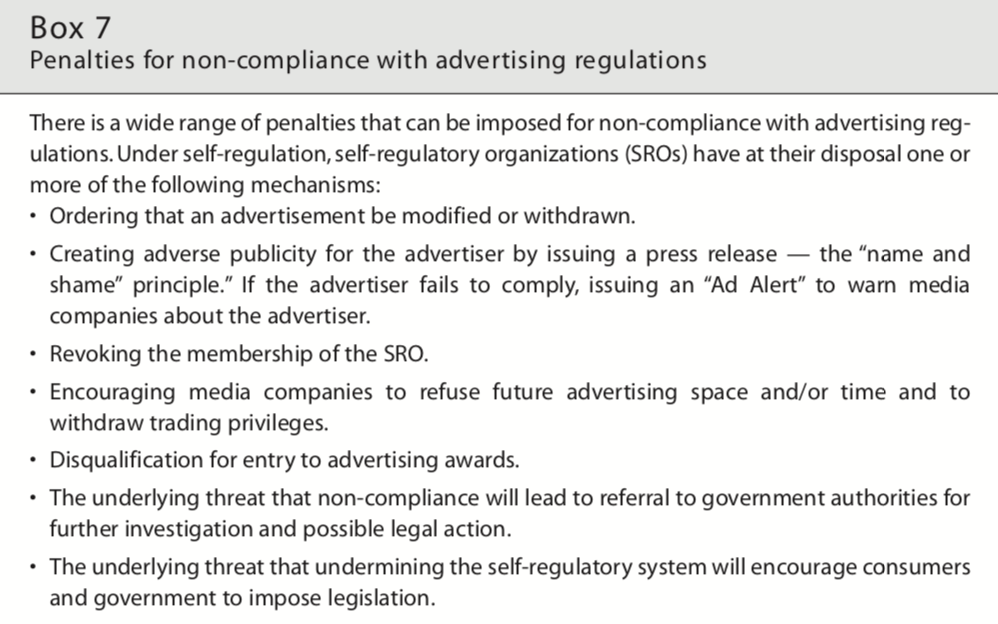
McDondald’s walked away this time legally unscathed. If McDonalds failed to comply with the obligations of determination by the panel, it could have resulted in enforcement action by the relevant regulatory authority which could result in litigation, penalties, and adverse publicity.
Below is a list compiled by Corinna Hawkes stating further repercussions that can result from advertising on non-compliance grounds –
Because of the internet and fast developing media there is an ever changing opportunity for advertising to take new forms other than tv ads. As confirmed by The Australian Government “Children have high levels of consumption and considerable influence on family spending. Advertising and marketing targets them directly from an increasingly young age.” (Australian Law Reform Commission, 2010) In summary, the onus is on the advertiser, is this case McDonalds, to ensure that any advertising or marketing materials do not undermine the authority, responsibility or judgment of parents or carers, nor must such material urge a child’s parents or carers to buy a product for them. Advertisers should always think with a moral compass, understanding the consequences on the influence it can have on children and their families. Ethics can become a grey area in marketing and advertising so legal parameters are essential in the industry.
References:
-Australian Association of National Advertisers, 2012. Viewed 25 April 2020
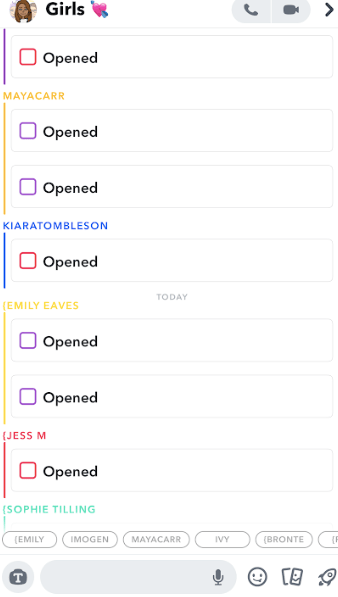
My public sphere is a Snapchat group chat with my girl gang. This includes all my close best friends from school. Well what is a public sphere? Research on the public sphere was first enlightened by German theorist Jurgen Habermas when he wrote a book called The Structural Transformation of the public sphere. It can be described as a “social space in which different opinions are expressed, problems of general concern are discussed, and collective solutions are developed communicatively.” (Wessler and Freudenthaler, 2018) This statement directly addresses exactly what goes on inside a groupchat of general communication. Our group chat doesn’t have a specific topic,like a university chat designed for specific purposes of education communication. It is purely for the discussion of each individual’s experiences and encounters of past, present and future.
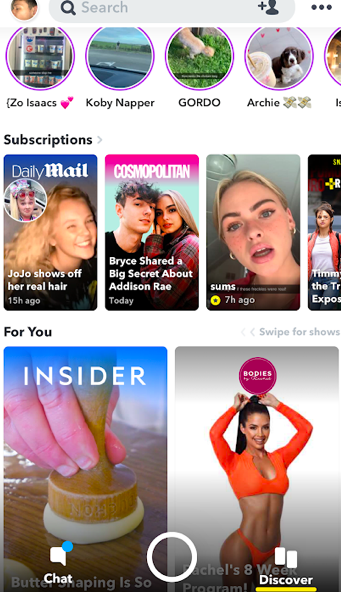
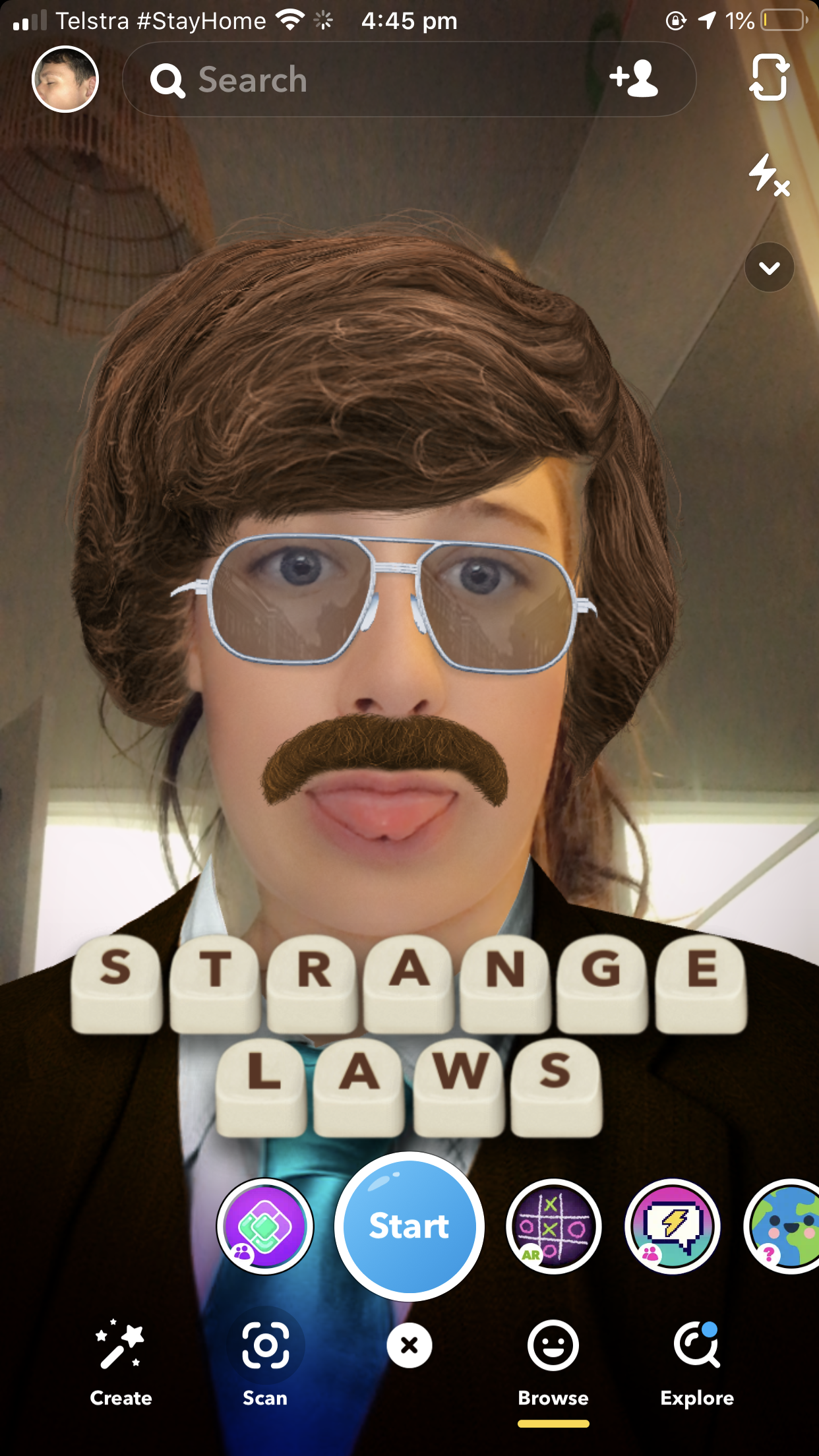
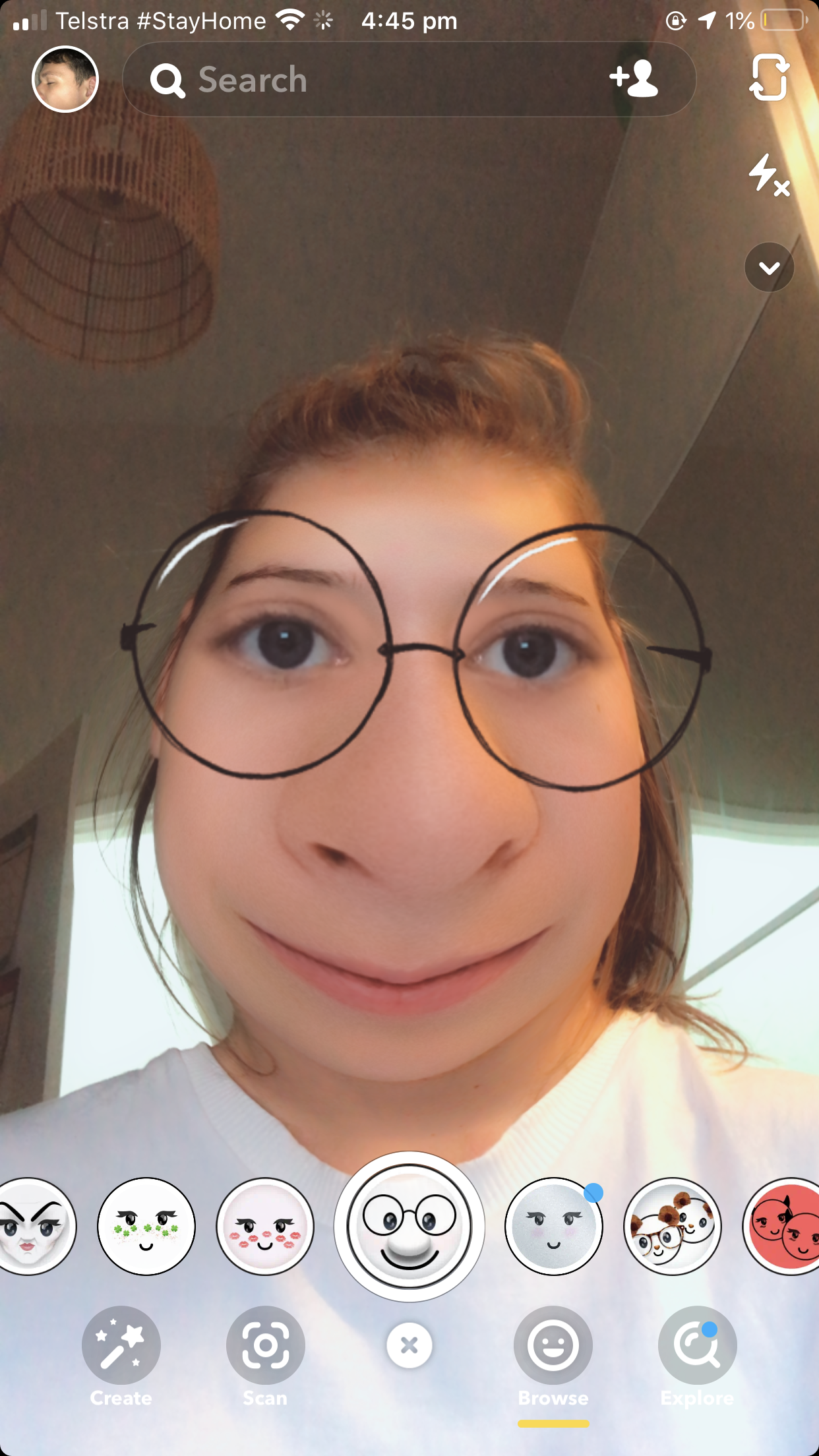
Snapchat is a versatile messaging app that anyone is able to download onto a mobile phone which enables users to exchange videos and pictures, (labeled snaps) that are meant to disappear once they’ve been opened. Snapchat is highly popular because it has an aspect of fun and creativity. The idea is to take a ‘snap’ write a message and then add different filters, stickers or even play games . Snapchat has innovative editing tools as well as entertainment features like news, magazines and quizzes. All these functions allow for a range of communication possibilities in my public sphere. The news feature makes understanding world events so much more accessible than reading the newspaper or news broadcasts on tv for our generation. This means general discussion and opinions on these events are shared often whether they are political, social or cultural.
Example of a game and filter edit
Because snapchat messages are designed to disappear, this can lead to miscommunication and even misinterpretation as you are not able to go back, reread or reevaluate what a person has said to better understand the encoded message. Due to this the ‘girls’ group chat has had a fair few arguments because one person has misinterpreted what the other has said, which develops a whole other issue and topic of discussion.
The media has a major influence on my public sphere, because it is a social media account the basis of its invention is media communication. Snapchats media output is large due to its noninvasive way of navigating content into your life that relates to you as an individual all the while interacting with your friends. Is Snapchat the perfect public sphere? Not yet, but it may be on the way there because of its ability to enable users to consume and create media content. I am able to view multiple media dimensions, talk to friends, discuss issues and be entertained all in the comfort of my ‘own’ public sphere.
References
H.Wessler, R.Freudenthaler, ‘Public Sphere’ in Oxford Bibliographies (2018) viewed 19 April 2020
Every single day we are faced with media interactions. These interactions force our brain to make sense of and interpret images without even realising.
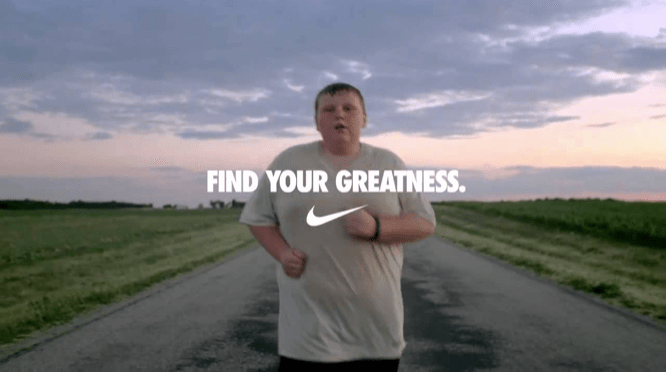
(T. Crimmins, 2012)
This image is from Nike’s 2012 ad campaign known as “Find your Greatness” which focused on everyday athletes. The image features an overweight young boy, running down a long empty road. He appears to be tired and struggling however still running. It is a refreshing image to see on a sportswear advertisement as they normally feature unrealistic defined bodies. The title suggests that everyone has their own greatness, which infers that you don’t have to look perfect or be the best, it is about your journey of success no matter how small it might be and that there is greatness in all of us. This commercial coincided with the London Olympic games which made it ever more relevant and popular.
However this image can be read in more than one way, differing opinions make the image subject to negative and positive depictions. As the Business Communication for Success textbook states “People perceive things differently. We choose to select different aspects of a message to focus our attention based on what interests us, what is familiar to us, or what we consider important”. (Saylor Academy, 2012) which adds to the idea of every image in the media may or may not be interpreted the way it intends to. The advertisement received backlash as commenters said that people need to be happy with themselves, no matter what number is on the scale. Although this negative connotation isn’t a very common interpretation of the image, it still exists. This is due to the way the receiver of the message decoded the message. It did not follow a transmission model which would “assume a non-problematic, linear transfer of knowledge” (Middlemost, 2020)
Furthermore, according to linguist Ferdinand de Saussure in this instance the advertisement image is the signifier, As it is the form the sign takes. The signified is the concept it represents. However this image may represent a number of concepts according to the person trying to understand the sign. “The sign is the whole that results from the association of the signifier with the signified” (Saussure 1983, ) meaning the association for every person may be completely different. This further explains why the image could have been interpreted in more than one way.
References
Saylor Academy, ‘Chpt 3.5 Listening and Reading for Understanding’ in Business Communication for Success, V. 1.0 (2012) viewed 19 April 2020
An audience can take its form in many different ways. Especially today in the modern world we live in which is flooded with media and technology. You can be a part of an audience in the comfort of your own bed. However my audience experience was not nearly close to being in bed.
My First major and memorable audience experience was when i was 16 and attended an all ages music festival called Groovin the Moo in Maitland, my first of many. Festivals are amazing because it is an opportunity to see multiple artists perform live, surrounded by thousands of people who appreciate their work too. My five friends and I got a parent to drive us on the 3 hour trip. Everyone had been planning for this for a long time, outfits ordered months in advance, makeup planned and excitement growing and read for basically a big dress up dance party.
This audience experience was unlike a tv, youtube or movie audience which are often “dispersed and fragmented” (Middlemost, 2020) ; it was interactive and shared in unison all together in one spot experiencing a live performance at the same place and time. A festival audience can only be experienced if you are actually there.
Only negatives about a festival begins with the large crowds, because large crowds means lines for everything. Lines to the bathroom, for every food truck, lines for drinks and ofcourse lines for entry. The large crowds lead to a silent understanding of a set of ‘unspoken rules’. The adaptation of these unspoken rules corresponds with what type of audience you find yourself in , which keeps everyone happy. For example, at a movie theatre it is known to not be obnoxiously loud, like chewing loudly and talking. However at a festival these ‘rules’ differ greatly. This includes the importance of being self aware. Which means saying excuse me when trying to push through the masses in a desperate attempt to be closer to the stage as well as well as remembering personal space whilst dancing. Nobody wants a sweaty body jumping and trodding on them while enjoying music. Personally this does not take away from the utopian aspect surrounding music festivals.
My experience of being a part of an audience at this music festival was a shared experience of thousands of people, all a part of an audience watching some form of content. (Middlemost, 2020) Turnbull stated that, “members of the audience…may not only be consumers of the media text but also producers of their own media forms about that text” this refers to being an active audience or a “produser”, each person making sense of different performances and using media to be discriminatory and critical or , praiseful. “Some people believe and accept the message, others reject it using knowledge from their own experience or can use processes of logic or other rationales to criticise what is being said.” (Miller and Philo,2001) This furthermore describes how individuals may share an experience together, but take from it completely different ideas from that experience based off a multitude of factors.
References
Turnbull, S. ‘Imagining the Audience’ p 59-72 in Cunningham, S and Turnbull, S (eds) (2014) The Media and Communications in Australia, 4thEdition. Allen and Unwin. Viewed 19t April 2020
Miller and Philo. ‘Active Audience’ in slide share. Published 10 February 2012. Viewed 19 April 2020




 Kyras blog